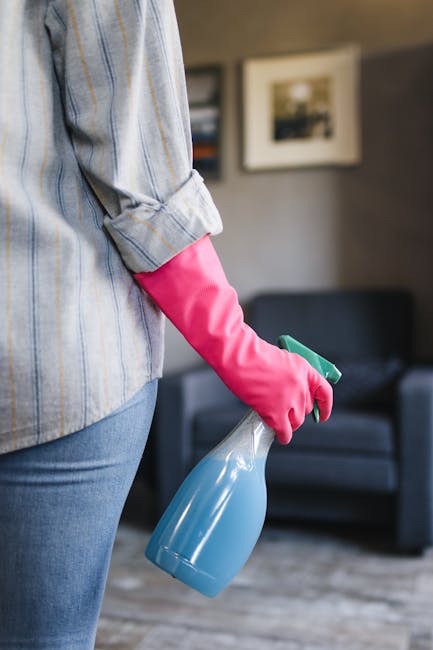
Anerley Hill flood clean case study and results
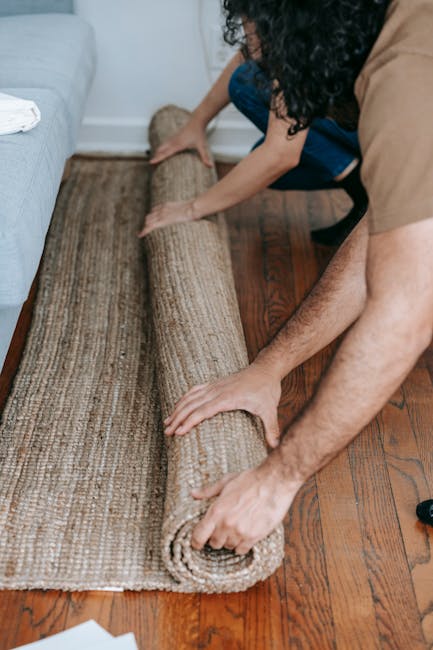
Flood damage has a way of turning a normal day into a mess of wet carpets, musty smells, lifted edges, and that sinking feeling you get when you realise the water has gone further than you hoped. This Anerley Hill flood clean case study and results article looks at what a proper flood clean involves, what can realistically be saved, and how a careful, well-planned response changes the outcome. If you are dealing with a leak, overflow, or soaked flooring in Anerley Hill, you need clear guidance, not vague reassurance.
In practice, the difference between a poor clean and a professional flood clean often comes down to timing, moisture control, and how each material is treated. Some surfaces recover quickly. Others do not. And truth be told, the first few hours matter a lot. Below, you will find a practical breakdown of the process, the main results you can expect, and a realistic case-study style example based on common flood-clean scenarios seen in London homes and small commercial spaces.
For readers comparing services, it also helps to understand broader cleaning options such as deep cleaning, carpet cleaning, and one-off cleaning, because flood work often overlaps with all three. One job can turn into several, rather quickly.
Why Anerley Hill flood clean case study and results Matters
Anerley Hill sits in a part of London where homes, flats, shops, and shared buildings can all face different flood-related problems. A washing machine overflow in one flat is not the same as rainwater entering a hallway or a ground-floor room taking on damp from a hidden leak. The point of a case study is not to dramatise the situation. It is to show how the process works in real life, and what the results usually depend on.
Flood cleaning matters because water damage is never just about water. It affects fibres, underlay, timber, adhesive, skirting boards, air quality, and in some cases, the day-to-day use of the room itself. If the wrong product is used, the wrong drying method is chosen, or the area is left too long before treatment, the damage can spread. That is why a good flood clean has to be methodical. A bit boring, maybe. But that is a good thing.
There is also a real trust issue here. When people search for a flood clean case study, they are usually trying to work out two things: Can this be fixed? and What will it actually take? Those are fair questions. A useful case study should answer them without overpromising. In our experience, most successful flood cleans depend less on dramatic equipment and more on disciplined decisions made early.
Expert summary: A flood clean is successful when moisture is removed fast, contaminated materials are separated properly, and the drying process is controlled carefully. The visible clean is only part of the result; the hidden moisture matters just as much.
For properties with mixed surfaces, flood cleaning may also involve sofa cleaning, upholstery cleaning, or rug cleaning if soft furnishings were affected. That is especially common in living rooms, home offices, and short-term lets where the space has to be back in use quickly.
How Anerley Hill flood clean case study and results Works
A proper flood clean usually follows a simple but disciplined sequence. First, the source of the water is identified if it is still active. Then the affected area is made safe, moisture is assessed, and the clean-up begins. After that comes extraction, disinfection where appropriate, drying, and final inspection. The exact order can shift a little depending on the material, but the logic stays the same.
What often surprises people is that a flood clean is not always about scrubbing. In many cases, the most important work is removal: lifting standing water, taking away saturated items, separating salvageable things from unsalvageable ones, and reducing the chance of mould growth. If you have ever stepped into a flooded room at eight in the morning and heard that unpleasant squelch underfoot, you will know why speed matters.
Case study style results usually come from a combination of actions:
- fast attendance after the incident
- safe water removal and surface cleaning
- careful treatment of carpets and underlay
- targeted drying to limit lingering moisture
- airflow management to help the room recover
- final checks for odour, staining, and damp patches
For clients wanting a broader property reset after an incident, the work may sit alongside domestic cleaning or a full house cleaning visit once the flooded area is stable. That can be helpful when the incident has disrupted the whole home, not just one room.
It is worth saying that flood clean results vary by material. Ceramic tile is usually much easier to recover than porous plasterboard. Wool carpet may respond differently from synthetic carpet. Wooden flooring can be a bit of a drama queen, to be honest; it may look fine on top while trapping moisture underneath. So the visible finish is not the full story.
Key Benefits and Practical Advantages
The biggest benefit of a structured flood clean is damage limitation. That sounds obvious, but in real terms it means less lingering smell, less staining, less risk of secondary deterioration, and a better chance of saving flooring or furnishings. A fast, competent clean can reduce the need for larger repairs later on.
There are also practical lifestyle benefits. A drier room becomes usable sooner. That matters if the affected space is a bedroom, hallway, shop floor, or entrance area where foot traffic cannot simply stop for a week. For business premises, it can reduce downtime; for homes, it can reduce stress. And let's face it, nobody needs more of that after a flood.
Other key advantages include:
- Better salvage rates: carpets, rugs, and some furnishings can often be saved if treated promptly.
- Cleaner indoor air: removing moisture and residue helps reduce that stale, damp smell.
- Less hidden damage: a proper process checks what is happening below the surface, not just what you can see.
- More predictable recovery: you know which items can stay and which should go.
- Safer environment: wet floors and contaminated residue are dealt with before they become a slip or hygiene issue.
Sometimes the value is simply peace of mind. You walk back into a space that no longer smells like rain-soaked carpet and uncertainty. That shift is bigger than people expect.
Who This Is For and When It Makes Sense
This kind of flood clean is for anyone dealing with water ingress, whether from a burst pipe, appliance leak, heavy rain, blocked drainage, or an overflow. It can be the right choice for homeowners, landlords, tenants, letting agents, office managers, and shop owners. In mixed-use London buildings, it is often needed in common hallways, front rooms, basements, or small commercial units with carpet and hard flooring together.
It makes sense when you need more than a quick mop-up. If water has soaked into carpets, crept under furniture, left a stale smell, or started to mark walls or skirting, then a proper clean is justified. If the issue is still active, the source must be dealt with first. No point polishing the puddle, as they say. Well, people do say that? Maybe not. But they should.
A flood clean is also useful when:
- the room is used daily and cannot remain closed for long
- you need evidence of remedial action for a landlord, agent, or insurer
- soft furnishings have taken on dirty water or odour
- the property has limited ventilation, making drying harder
- you want to avoid a larger refurbishment job later
If the flood has also left surfaces grimy or debris-covered, a wider deep cleaning approach can be sensible. If it has affected a workspace, then office cleaning may be the better route once the immediate water issue is under control.
Step-by-Step Guidance
Below is a practical sequence that reflects how a sensible flood clean is usually handled. It is not theatrical. It is the part that gets results.
- Make the area safe. Switch off electricity in affected zones if needed and avoid walking through standing water. Safety first, always.
- Identify the source. If the leak is ongoing, stop it or get the right person involved before anything else.
- Remove surface water. Use extraction or absorbent methods to get rid of standing water quickly.
- Assess materials. Check carpets, underlay, furniture, and any porous items for saturation or contamination.
- Separate salvageable from unsalvageable items. This is where a calm, honest assessment helps avoid wasted effort.
- Clean and treat. Use appropriate products for the surface. Not everything needs the same treatment, and not every product suits every material.
- Dry thoroughly. Focus on airflow, dehumidification where available, and regular checks for remaining damp.
- Inspect again. Once visibly dry, check odour, colour changes, and any signs of trapped moisture.
One small but important detail: the first clean is not the finish line. A room can look fine and still be holding moisture in the backing, underlay, or wall base. That is why repeat checks matter. If the room feels cool and smells slightly earthy after a day or two, don't shrug it off. That is a clue, not just atmosphere.
In some cases, a flood clean follows other work such as carpet cleaner treatment for recovered flooring or hard floor cleaning where tiles, vinyl, or laminate need careful washing and inspection. The best result often comes from matching the method to the material, not from using one approach everywhere.
Expert Tips for Better Results
Here is the practical stuff that tends to separate a decent result from an awkward one.
- Act within hours, not days. The longer water sits, the more likely fibres, adhesives, and finishes are affected.
- Do not over-wet during cleaning. Additional moisture can make recovery slower, especially in carpet and underlay.
- Use airflow intelligently. Openings help, but aim airflow at the right points instead of just creating a breeze for the sake of it.
- Check edges and hidden corners. Water loves skirting lines, thresholds, and furniture footprints.
- Photograph conditions early. Even if you are not making a claim, records help show what changed and when.
- Test before using chemicals. A small patch test can prevent colour loss or fibre damage.
In our experience, people sometimes focus on the smell first. That makes sense. But odour is only one signal. The more important question is whether the material is dry at its core. Smell can linger after a room is technically dry. Or the other way around, which is more annoying.
If the flood affected curtains, cushions, or other soft items, a targeted upholstery cleaning visit may help once the material is safe to treat. Not every item should be kept, of course, but some pieces are worth careful recovery work.
Common Mistakes to Avoid
A lot of flood-clean problems come from well-meaning mistakes. People rush, scrub too hard, or assume dry on the surface means dry underneath. It happens a lot.
- Waiting too long to begin. Even a short delay can make a simple clean more complicated.
- Using harsh products without checking compatibility. Some surfaces dislike strong chemicals, full stop.
- Ignoring the underlay or subfloor. If these stay damp, the room may not recover properly.
- Replacing everything too early. Sometimes items can be saved with the right treatment, but not always.
- Skipping follow-up inspection. This is how hidden damp turns into mould or odour later.
Another common slip is trying to speed-dry the room with too much heat. Warm air can help, but too much heat in the wrong place can distort materials or trap moisture in layers below the surface. A careful dry is better than an aggressive one. Usually. Not very glamorous, but practical.
If the incident happened in a rental property, landlords and agents often prefer a measured, documented response rather than an improvised clean that looks fine for two days and then goes off. Sensible, really.
Tools, Resources and Recommendations
The right tools depend on the type of water, the amount of saturation, and the surfaces involved. You do not need a giant kit to understand the essentials, though.
- Water extraction equipment: helps remove standing water quickly from carpets and upholstery.
- Microfibre cloths and absorbent pads: useful for targeted surface drying and detail work.
- Neutral or surface-appropriate cleaners: reduces residue without damaging fibres or finishes.
- Moisture awareness: this is the real resource. Knowing where water hides matters more than any single tool.
- Airflow and drying support: open spaces, ventilation, and controlled drying time all help.
If you are comparing providers, look for clear communication about what is included, what can be saved, and what the next step should be. It also helps if the company has straightforward information about pricing and quotes, plus reassurance around insurance and safety. Those details are not just admin. They signal how seriously the work is handled.
For general cleaning follow-up after the flood clean, services such as cleaning company support or home cleaners can be useful when the entire property needs a reset. That is often the case after a messy incident. The whole place feels tired, not just the flooded area.
Law, Compliance, Standards, or Best Practice
Flood cleaning is usually practical rather than heavily regulated as a standalone service, but it still sits within important UK health, safety, and landlord-tenant expectations. In a shared building or commercial setting, the basic duty is to make the area safe, manage hazards responsibly, and avoid creating new risks during the clean.
Good practice generally includes:
- risk awareness around electrics, slip hazards, and contaminated water
- use of suitable cleaning methods for the surface and contamination level
- careful handling of waste materials and removed items
- clear communication about what has been cleaned, dried, or replaced
- appropriate PPE and safe working methods where conditions warrant it
In a domestic setting, the practical expectation is usually that the home is returned to a safe, liveable condition as soon as reasonably possible. In a workplace, the bar may be higher because of public access and duty of care. If you are managing a building, a room that still smells damp or has slick flooring should not be treated as "fine for now." It is not fine. It just isn't.
It can also be useful to review the company's own published policies, such as health and safety policy, terms and conditions, and privacy policy, especially if you are arranging access, booking work on behalf of a tenant, or handling sensitive property details.
Options, Methods, or Comparison Table
Flood recovery is not one-size-fits-all. The method depends on the material, the water source, and how long the area stayed wet. Here is a simple comparison that helps with decision-making.
| Method | Best for | Typical strength | Limitations |
|---|---|---|---|
| Manual mop-up and surface drying | Small spills, light leaks, very early action | Quick and low disruption | Not enough for saturated carpet or underlay |
| Flood extraction plus targeted cleaning | Carpets, rugs, soft furnishings, mixed surfaces | Removes more water and residue | Needs proper follow-up drying |
| Deep cleaning with drying support | Rooms needing a more complete recovery | Better for odour and contamination control | May take longer to finish |
| Replacement of damaged materials | Severe saturation, warped flooring, contaminated items | Resolves irreversible damage | More expensive and disruptive |
The best option is usually the one that matches the reality of the damage, not the one that sounds nicest. A bit blunt, but there it is. If the carpet backing is soaked and the underlay is shot, trying to "clean it better" may not be the answer. If the issue is a clean water leak caught early, recovery may be far more straightforward.
Case Study or Real-World Example
Here is a realistic example of how a flood clean in Anerley Hill might unfold. The details are typical rather than tied to a single named property, because honest reporting matters more than inventing drama.
A ground-floor living room in Anerley Hill experienced a water leak after a household appliance overflowed and ran beneath furniture and into the edge of the carpet. The occupants noticed the issue within a short time, but by then the carpet edge, a rug, and part of the skirting line were affected. The room had a noticeable damp smell, and the floor felt cool underfoot. Not terrible, but definitely not something to ignore.
The response began with isolating the source and removing standing water. Furniture was moved carefully, soft items were separated, and the carpet edge was treated. The rug was checked individually, because rugs can behave differently from fitted carpet. A more controlled clean followed, with attention to residue around the leak path and any trapped moisture near the threshold.
Results from a sensible response like this usually include:
- the room becoming usable again sooner
- reduced odour compared with untreated water damage
- better recovery of carpet fibres and surrounding surfaces
- clearer identification of anything that still needs repair or replacement
In this kind of situation, the main result is not perfection. It is containment and recovery. A successful flood clean should leave the room stable, cleaner, and less likely to deteriorate further. If the materials have been handled properly, the homeowner gets back a functional space rather than a lingering problem.
For some properties, especially larger homes or mixed-use premises, follow-up work might include window cleaning if condensation or splash residue has left the room feeling dull, or after builders cleaning if remedial works have taken place afterwards. That sort of chain reaction is common after flood events. One thing leads to another. Always does.
Practical Checklist
Use this checklist if you are dealing with a flood clean or preparing to book one.
- Identify and stop the water source where possible.
- Keep people away from wet floors and affected electrical areas.
- Document the damage with a few clear photos.
- Move unaffected items out of the wet zone.
- Separate rugs, cushions, or textiles that need individual treatment.
- Check whether the water is clean, grey, or potentially contaminated.
- Make sure the area is thoroughly dried after cleaning.
- Inspect edges, under furniture, and hidden corners for remaining damp.
- Arrange follow-up support if smell or moisture returns.
- Keep records for landlords, insurers, or building management if needed.
If you are dealing with repeated issues in a property, it can also help to look at wider maintenance and cleaning support, such as house clearance for severely affected items or cleaners for general follow-on cleaning once the area has stabilised. Sometimes the best outcome is a mix of practical decisions, not one grand fix.
Get a free quote today and see how much you can save.
Conclusion
An Anerley Hill flood clean is really about turning a stressful, uncertain situation into a controlled recovery. The best results come from quick action, calm assessment, the right cleaning method, and proper drying. When those pieces line up, you can often save more than people expect and reduce the chance of a much bigger issue later.
Whether the problem started with a leak, a spill, or weather-related water ingress, the key is not to panic and not to guess. Review the damage, treat each material properly, and remember that a good result is usually built step by step. Little by little, the room comes back. That part is genuinely satisfying.
And if you are standing there looking at a wet floor at the end of a long day, wondering where on earth to begin, start with the first sensible step. That is usually enough to get things moving in the right direction.
Frequently Asked Questions
What does an Anerley Hill flood clean usually include?
It usually includes water removal, surface cleaning, treatment of affected materials, drying support, and a final check for lingering damp or odour. The exact work depends on the type of water and the surfaces involved.
How quickly should flood cleaning start after water damage?
As soon as possible. The sooner the area is assessed and dried, the better the chance of saving carpets, furnishings, and finishes. Waiting even a day can make recovery harder.
Can a soaked carpet be saved?
Sometimes, yes, especially if the water is clean and the carpet is treated quickly. But if the backing, underlay, or subfloor has stayed wet for too long, replacement may be the safer option.
Why does a room still smell damp after it looks dry?
Because hidden moisture may remain in underlay, skirting lines, or porous materials. A room can look fine on the surface while still holding moisture below. That is one of the trickier parts.
Is flood cleaning different from regular carpet cleaning?
Yes. Regular carpet cleaning focuses on dirt removal and appearance, while flood cleaning also deals with moisture extraction, contamination risk, and drying. They can overlap, but they are not the same job.
Do hard floors need flood cleaning too?
Definitely. Water can sit in joints, edges, and under fittings, especially with laminate, vinyl, or timber. Hard floors may look easier, but they still need careful inspection and proper drying.
What should I do first if I find flooding in my property?
Make the area safe, stop the source if possible, and keep people away from wet electrical areas. Then assess the damage and begin removal and drying as soon as practical.
Can upholstery or rugs be cleaned after a flood?
Sometimes they can, but it depends on the water type, the material, and how long they were soaked. Some items recover well; others are better replaced. A careful inspection is essential.
How do I know if the damage is too severe for cleaning?
If the material is warped, heavily contaminated, or still damp after thorough drying, cleaning may not be enough. Visible improvement is not the only measure; long-term stability matters too.
Is flood cleaning useful for landlords and letting agents?
Yes, because it helps restore the property, reduce further damage, and provide a documented response to the issue. It also supports a more controlled handover or re-let process later on.
What kind of follow-up work might be needed after a flood clean?
Sometimes you may need carpet care, upholstery treatment, hard floor cleaning, or general one-off cleaning once the affected area has dried. If the incident was severe, repair or replacement work may also be necessary.
How can I reduce the chances of mould after a flood?
Act quickly, dry the area thoroughly, and keep checking hidden spots such as edges and corners. Mould loves lingering moisture, so the goal is to remove that moisture completely, not just make the room look better.
For anyone dealing with water damage in or around Anerley Hill, the best next step is a proper assessment and a clean-up plan that matches the actual damage. Careful work now saves trouble later, and that is the real result worth aiming for.