Westow Street Upholstery Cleaning Expert Results: What to Expect, How It Works, and How to Get the Best Finish
If you have been searching for Westow Street upholstery cleaning expert results, you are probably after something very specific: furniture that looks fresher, smells cleaner, and feels properly cared for, not just surface-brushed and left damp. That makes sense. Upholstery is one of those parts of a home that quietly takes a beating - coffee spills, dust, pet hair, greasy hands, the lot - and yet it is often the thing people notice most when they walk in.
This guide explains what expert upholstery cleaning actually involves, why results can vary so much, and how to judge whether a job has been done properly. You will also find practical tips, a comparison of methods, a checklist, and a realistic example of what good work looks like in everyday homes around Westow Street and the wider Crystal Palace area.
Table of Contents
- Why Westow Street upholstery cleaning expert results Matters
- How Westow Street upholstery cleaning expert results Works
- Key Benefits and Practical Advantages
- Who This Is For and When It Makes Sense
- Step-by-Step Guidance
- Expert Tips for Better Results
- Common Mistakes to Avoid
- Tools, Resources and Recommendations
- Law, Compliance, Standards, or Best Practice
- Options, Methods, or Comparison Table
- Case Study or Real-World Example
- Practical Checklist
- Conclusion
- Frequently Asked Questions
Why Westow Street upholstery cleaning expert results Matters
Good upholstery cleaning is about more than making a sofa look tidy for a day. On Westow Street, where homes can vary from compact flats to family houses, furniture tends to work hard. The arm of the sofa becomes the headrest, the corner chair becomes the reading spot, and the fabric quietly stores months of dust, body oils, and everyday grime.
Expert results matter because upholstery is not forgiving. Over-wetting can leave water marks. Using the wrong chemistry can fade colours. Aggressive scrubbing can distort fibres. And if the technician rushes, you may end up with a piece that looks clean in one patch and dull in another. To be fair, that is worse than not cleaning at all in some cases.
When the work is done properly, you notice the difference immediately: colours look brighter, the fabric feels more even, and the room smells fresher without that heavy perfume some cleaners rely on. That last bit is important. A truly clean sofa should not need to smell like a chemical shop to prove a point.
For many households, upholstery cleaning also plays a practical role in maintaining the value of furniture. A well-kept armchair or sofa can last years longer if stains are treated early and fibres are cleaned before soil builds up deeply. That is the sort of result people usually want, even if they do not say it out loud.
How Westow Street upholstery cleaning expert results Works
Expert upholstery cleaning starts with identifying the fabric. That sounds simple, but it is the step that separates careful work from guesswork. Cotton, linen blends, synthetic fibres, velvet, wool mixes, and microfibre all react differently to moisture, agitation, and detergent strength. A good cleaner inspects labels where available and tests a small hidden area first.
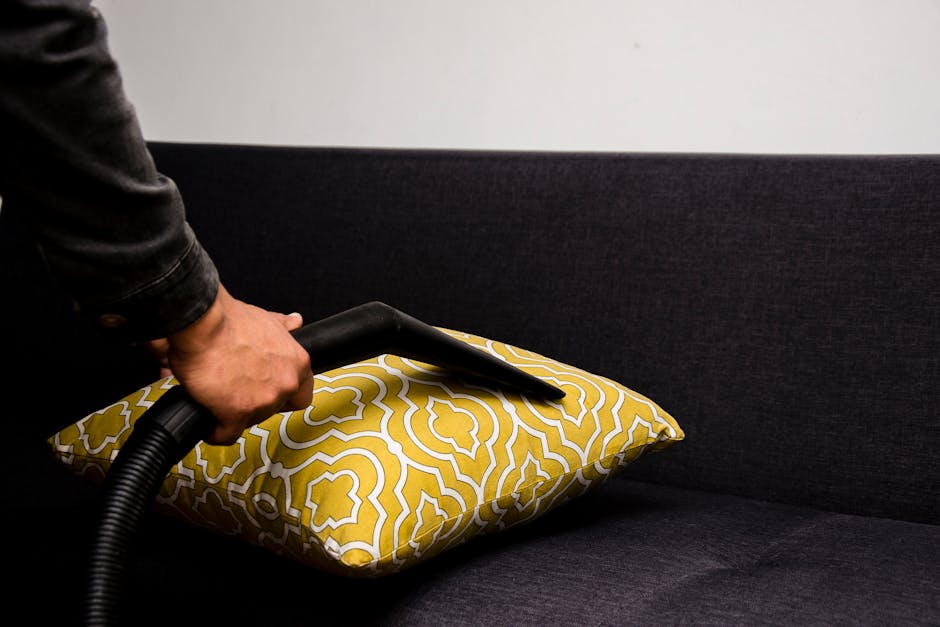
After that comes dry soil removal. This means vacuuming the surface thoroughly, including seams, folds, and under cushions. Skip this, and you just turn loose grit into muddy residue later. A clean-looking sofa can still hide a surprising amount of debris under the cushions. You know the type - crumbs, lint, the odd coin, the usual domestic archaeology.
Next is stain and pre-treatment work. A professional will usually target visible spots before the main clean, but they will not pretend every stain is removable. Ink, dye transfer, old food spills, and bleach marks are all different problems. The honest approach is to improve what can be improved, not make unrealistic promises.
The main cleaning stage may involve low-moisture extraction, controlled hot water cleaning, or a specialist foam or solvent approach, depending on fabric type. The aim is always the same: lift embedded soil without saturating the material. Then the fabric is groomed, checked, and left to dry under suitable ventilation.
Results are often best when drying is managed carefully. A room with a closed window and no airflow can slow things down a lot, especially in cooler months. On a crisp morning around Crystal Palace, you may find a lounge dries much faster once a window is cracked open slightly and air can move. Simple, but effective.
Key Benefits and Practical Advantages
The most obvious benefit is visual. Freshly cleaned upholstery looks brighter, more even in colour, and less tired. But there are several other advantages worth considering.
- Improved appearance: Everyday marks, dullness, and patchy shading are reduced.
- Better hygiene: Embedded dust and loose contaminants are removed from deep within the fibres.
- Odour reduction: Food smells, pet odours, and general stale air are often improved.
- Longer fabric life: Removing soil helps reduce fibre wear over time.
- More comfortable living space: Rooms feel fresher and more cared for, which matters more than people admit.
There is also a convenience benefit. Instead of replacing furniture prematurely, many people get another good stretch of life out of what they already own. That is particularly useful when a sofa is structurally fine but just looks a bit past its best. In other words, the frame is solid; the face needs a refresh.
Another practical upside is consistency. Expert cleaners tend to know when to pause, when to test, and when to say a fabric needs a gentler approach. That judgement can save you from costly mistakes, especially with delicate or patterned materials.
Who This Is For and When It Makes Sense
This service makes sense for homeowners, tenants, landlords, letting agents, small offices, and anyone who wants furniture to look cared for rather than just wiped over. If your sofa has visible traffic marks, pet hair, or old spill shading, you are likely in the right place.
It is also a sensible choice before guests arrive, after a long winter of closed windows and heavy use, or at the end of a tenancy when the property needs to present well. Furniture can make a room feel tidy or tired in seconds. The difference is often less dramatic than replacing it, but more dramatic than most people expect from a single clean.
Families with children often notice the best payoff. Snack spills, sticky patches, and hidden dirt tend to build up quietly. Pet owners see it too, especially where fabric traps hair and odour. And if you run a small office or waiting area, clean seating creates a better first impression without needing a full refurbishment.
If you are already looking at related cleaning tasks, it can be useful to think more broadly about the whole property. Services such as deep cleaning, sofa cleaning, and rug cleaning often work well together because dust and staining rarely stay in one place.
And if you are comparing providers, it is worth checking whether the company presents itself clearly and professionally. A reputable cleaning company should be able to explain methods, fabric safety, and drying expectations in plain English. No waffle, no drama.
Step-by-Step Guidance
If you want expert-level results, the process matters. Here is a straightforward way to think about it.
- Inspect the fabric and condition. Look for labels, weak stitching, loose buttons, colour fade, or old damage.
- Vacuum thoroughly. Remove loose dust, crumbs, pet hair, and grit from seams and under cushions.
- Test in a hidden spot. A small test helps confirm the fabric will tolerate the chosen method.
- Pre-treat problem areas. Stains often need targeted treatment before the full clean.
- Apply the main cleaning method carefully. The key is controlled moisture and sensible agitation.
- Extract or remove residue. Detergent left behind can attract soil later, which is annoying, frankly.
- Groom and dry properly. Shape the fibres, ventilate the room, and avoid using the furniture too soon.
The best results usually come from patience. Rushing a sofa clean is a bit like drying your hands under a weak hand dryer and hoping for the best - you might get there, but not elegantly. With upholstery, time spent on preparation and drying pays off very clearly.
For tougher items, a professional may combine upholstery care with other services such as carpet cleaning or one-off cleaning so the whole room feels transformed rather than just one item.
Expert Tips for Better Results
Here are the small details that often separate decent cleaning from genuinely good cleaning.
- Do not wait until stains are ancient. Fresh spills are easier to treat than old, heat-set marks.
- Keep cushions rotated. This reduces uneven wear and those lopsided impressions that make a sofa look older than it is.
- Avoid heavy DIY scrubbing. It often pushes soil deeper into the fabric.
- Use gentle airflow for drying. Open windows where sensible and let the room breathe.
- Ask about fabric-specific methods. One-size-fits-all cleaning is usually a warning sign.
- Think beyond the visible stain. Sometimes the main issue is dullness across the whole surface, not one obvious spot.
One practical tip that often gets overlooked: check the undersides and backs of cushions too. You may not see those areas every day, but grime tends to gather there. A cleaner who overlooks them is usually cutting corners somewhere else as well.
If the furniture is part of a broader home refresh, it can be useful to coordinate with domestic cleaning or house cleaning so the room feels finished, not half-done.
Common Mistakes to Avoid
Most upholstery disappointments come from a handful of avoidable mistakes.
- Using too much water: This can cause rings, long drying times, and fabric distortion.
- Choosing the wrong cleaner: Some products are far too strong for delicate materials.
- Skipping fabric testing: That shortcut can turn a minor clean into a repair job.
- Rubbing stains aggressively: This often spreads the stain and roughs up the weave.
- Ignoring the drying stage: A sofa that is still damp can feel worse than before if not managed properly.
- Expecting magic from old damage: Some marks can be reduced, not erased. Honest expectations save a lot of stress.
There is also the temptation to chase perfection. Let's face it, a used sofa will not become showroom-new just because a machine was brought in for an hour. But it can look miles better, smell better, and feel much more inviting. That is the real win.
Tools, Resources and Recommendations
Professional upholstery work generally relies on a small but important set of tools. The exact kit varies, but the essentials usually include a powerful vacuum, upholstery attachments, pre-spray or spot treatment products, soft brushes, controlled extraction equipment, clean white cloths, and airflow support for drying.
For home care between professional cleans, a few sensible items go a long way:
- A vacuum with a furniture nozzle
- A lint roller or pet-hair remover
- Clean microfibre cloths
- A gentle fabric-safe spot cleaner
- Soft brushing tools for nap or pile maintenance
If you are trying to make a comparison or decide what you actually need, it helps to look at the company's service range and practical support rather than just the headline price. Pages such as upholstery cleaning, sofa cleaning, and pricing and quotes can help you understand what is included and how the work is approached.
If you want reassurance on safety, it is also sensible to review insurance and safety and the company's health and safety policy. That is not overthinking it. It is just sensible due diligence.
Law, Compliance, Standards, or Best Practice
Upholstery cleaning is not usually a heavily regulated service in the way that some trades are, but it still sits inside a set of important best practices. In the UK, a responsible cleaning provider should work safely, handle chemicals carefully, respect property, and avoid causing damage through poor method or negligence.
For households and landlords, the practical concern is simple: the work should be carried out in a way that is safe for occupants, suitable for the fabric, and honest about likely outcomes. A good operator will explain limitations clearly, especially with older, sun-faded, or delicate pieces. That kind of transparency matters more than a glossy promise.
There is also a broader expectation around fair complaints handling, secure payments, privacy, and service terms. If those things matter to you - and they should - it is worth checking the company's policies, including complaints procedure, payment and security, and terms and conditions. None of that is exciting, but it is part of a trustworthy service.
Responsible businesses also tend to think about waste and product use. If sustainability matters to you, see whether they discuss recycling and sustainability. Small thing, perhaps, but it says a lot about how they operate.
Options, Methods, or Comparison Table
Different upholstery fabrics and cleaning goals call for different approaches. Below is a simple comparison to help set expectations.
| Method | Best For | Strengths | Watch Outs |
|---|---|---|---|
| Low-moisture cleaning | Delicate fabrics, quick turnarounds | Faster drying, lower water use, good for routine refresh | May be less aggressive on old deep staining |
| Hot water extraction with control | Durable fabrics and heavily soiled seating | Deep soil removal and strong overall refresh | Needs good technique to avoid overwetting |
| Foam or specialist spot treatment | Targeted stain work and sensitive materials | Useful for precision, especially on problem areas | Not always suitable as a full-room reset |
| Dry compound or solvent-based care | Very sensitive fabrics or limited drying space | Minimal moisture, lower drying risk | May not suit every soil type or finish |
If a cleaner tells you there is one universal method for every sofa, that is a bit of a red flag. Fabric care is more nuanced than that, and good results depend on choosing the least risky method that still gets the job done properly.
Case Study or Real-World Example
Imagine a family living near Westow Street with a three-seater fabric sofa in the lounge. It has the usual signs of real life: a faint drink ring on one arm, some flattened nap where people sit every evening, and a general dullness that has crept in over winter. Nothing dramatic. Just tired.
An expert cleaner would start by identifying the fabric and checking for sun fade near the window. The sofa would then be vacuumed carefully, especially in seams and around the base. The visible arm mark would get pre-treated, but not blasted. That matters. The aim is to reduce the stain without making the area look lighter than the rest of the sofa.
After cleaning, the fabric would be groomed so the pile lies evenly again. The room might smell a little damp for a short while, but with windows open and normal airflow, it would dry down over the day. By the evening, the sofa would look brighter, feel cleaner, and the arm mark would be much less obvious. Not magically gone, maybe, but honestly improved enough that the whole room feels better.
That kind of result is what most people actually want. Real improvement. Not theatre.
Practical Checklist
Use this before booking or before doing your own upholstery clean.
- Check the fabric label if there is one
- Look for weak stitching, tears, or loose trim
- Vacuum the furniture thoroughly
- Identify stains, odours, and wear patterns
- Test any cleaner in a hidden area first
- Avoid soaking the fabric
- Allow enough drying time and airflow
- Ask how delicate fabrics are handled
- Confirm what results are realistic for old marks
- Review service terms, safety, and payment details
Expert summary: the best upholstery cleaning results come from careful fabric assessment, controlled moisture, proper extraction, and realistic expectations. That combination protects the furniture and usually gives the most noticeable improvement.
Get a free quote today and see how much you can save.
Conclusion
Westow Street upholstery cleaning expert results are really about judgment: the right method for the fabric, the right amount of moisture, the right treatment for the stain, and the patience to let the finish dry properly. When those things line up, the change can be surprisingly satisfying. A room feels lighter. A sofa feels cared for. And you stop noticing the old marks every time you walk past.
If you are weighing up whether to clean, replace, or simply live with tired upholstery a bit longer, start with the visible condition and the fabric type. That will usually tell you the sensible next step. And if you want the job handled carefully, choose a provider that explains its process plainly and backs it up with proper policies and safe working practices. Simple, really.
Truth be told, good upholstery cleaning is one of those small household jobs that can lift the whole mood of a room. Not glamorous. Just quietly effective. And sometimes that is exactly what a home needs.
Frequently Asked Questions
What does expert upholstery cleaning actually include?
It usually includes inspection, vacuuming, pre-treatment, fabric-appropriate cleaning, residue removal, and drying guidance. The exact method depends on the material and the condition of the furniture.
How long does upholstery take to dry?
Drying time varies by fabric, room temperature, ventilation, and how much moisture was used. Lightly cleaned synthetic fabrics may dry faster, while thicker or more absorbent materials can take longer.
Can all stains be removed from a sofa?
No, and any honest cleaner will say that. Some stains are permanent, especially if they have been treated with the wrong product, heat-set, or left for a long time. Improvement is often possible even when full removal is not.
Is upholstery cleaning safe for delicate fabrics?
It can be, if the correct method is chosen. Delicate fabrics need careful testing and a gentler approach. That is why identifying the material first is so important.
How often should upholstery be professionally cleaned?
That depends on use. Family homes with children or pets often need it more frequently than a lightly used spare room. Many people book it when visible dirt, odour, or staining starts to build up.
Will cleaning remove pet odours?
Often it will reduce them significantly, especially if the odour is in the fabric and surface layers. Strong or deep-set odours may need extra treatment and cannot always be removed completely.
Can I clean upholstery myself?
Yes, for light maintenance, but DIY cleaning carries risk if you use too much water or the wrong product. For valuable, delicate, or heavily soiled pieces, a professional approach is usually safer.
Why does my sofa sometimes look worse after DIY cleaning?
That usually happens because of overwetting, residue left behind, or uneven cleaning. Water marks and tide lines are common when the process is rushed or the drying stage is neglected.
What should I ask before booking upholstery cleaning?
Ask how the fabric will be identified, which method will be used, how long drying may take, and what results are realistic for old stains. It is also sensible to ask about insurance and safety.
Is upholstery cleaning worth it for older furniture?
Often yes, especially if the frame is still solid and the fabric is structurally sound. Cleaning can extend the life of furniture and improve the look of a room without the cost of replacement.
How do I know if a cleaning company is trustworthy?
Look for clear explanations, sensible expectations, proper policies, and practical information about pricing, safety, and complaints handling. A trustworthy provider should feel straightforward, not vague.
Does upholstery cleaning fit in with other home cleaning services?
Absolutely. Many people book it alongside carpet or general cleaning so the whole room feels refreshed at once. It is often the most efficient way to get a proper reset.